
When Your Hormones Are the Problem: An Evidence-Based Action Plan for Milk Supply
Both low milk supply and hyperlactation can be expressions of endocrine imbalances — insulin resistance, thyroid dysfunction, PCOS, hyperprolactinemia — that affect your whole body's health, not just your breastfeeding journey. The science is increasingly clear on this, and evidence-based interventions do exist: from targeted lab work to blood sugar-supportive nutrition, thyroid treatment, and carefully selected supplementation.
You deserve a support team that looks at the whole you — not just the mechanical checklist — and is willing to dig deep into the science alongside you.
Too Much or Too Little Milk? Your Hormones Are Trying to Tell You Something
Approximately 10–15% of mothers experience clinically significant low milk supply (LMS), but that percentage doesn't fully capture those who experience a suboptimal supply that never quite reaches the threshold of clinical concern — the mothers who are told "everything looks fine" while they know something isn't right….If low supply is a frustrating emotional puzzle, oversupply is often the breastfeeding problem nobody warns you about. Hyperlactation — producing significantly more milk than your baby requires — is frequently dismissed as a "good problem to have," yet the lived experience of persistent engorgement, recurrent mastitis, forceful let-down, inability to find comfort, and a baby who struggles to feed tells a very different story.
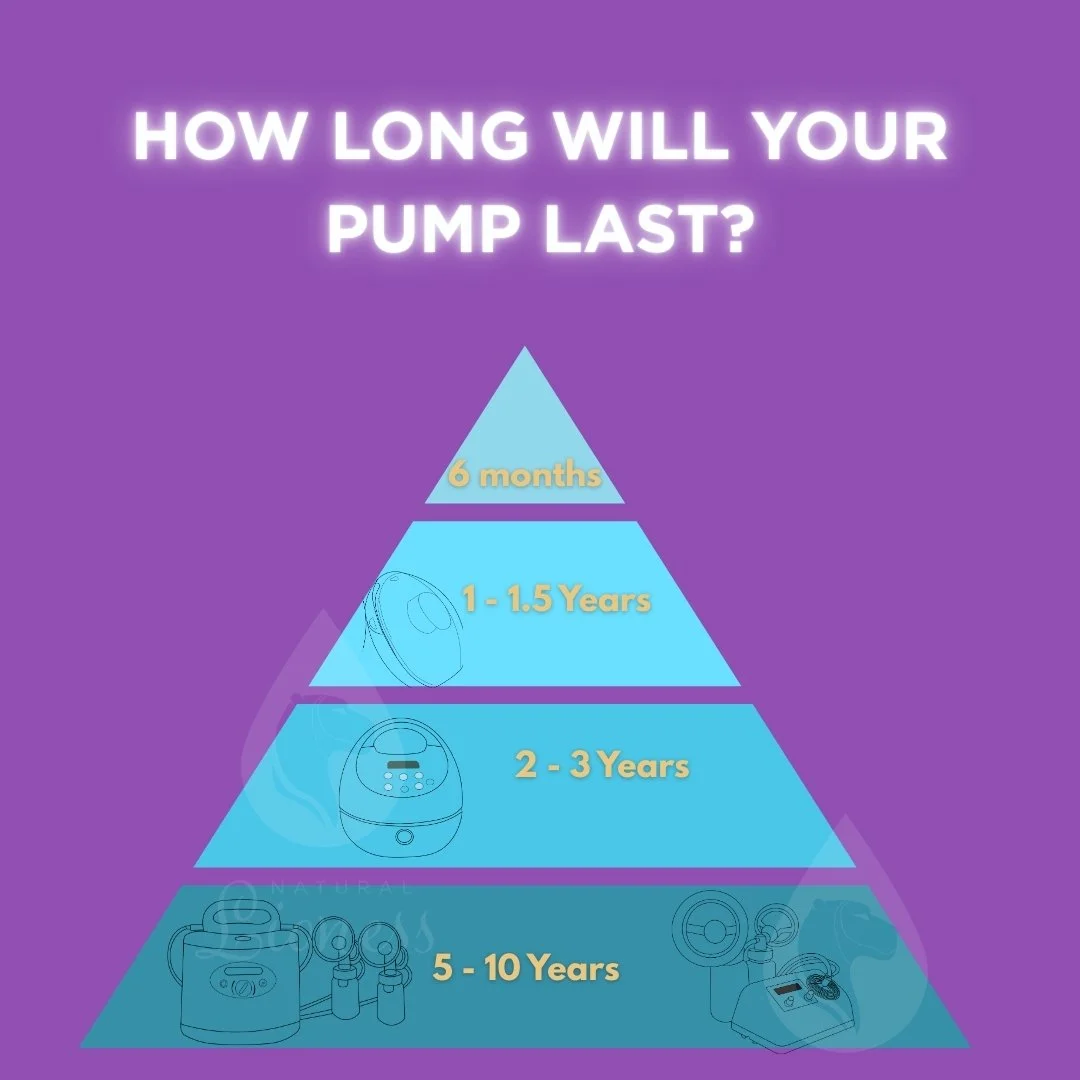
Will Your Breast Pump Last for Your Next Baby? Lifespan by Pump Type (2026)
Here's something the box doesn't tell you: most breast pumps are engineered with a finite lifespan, and once the motor starts to degrade, you may not notice it immediately. What you will notice — eventually — is a slow, frustrating decline in milk output that gets misattributed to low supply, hormones, or stress.
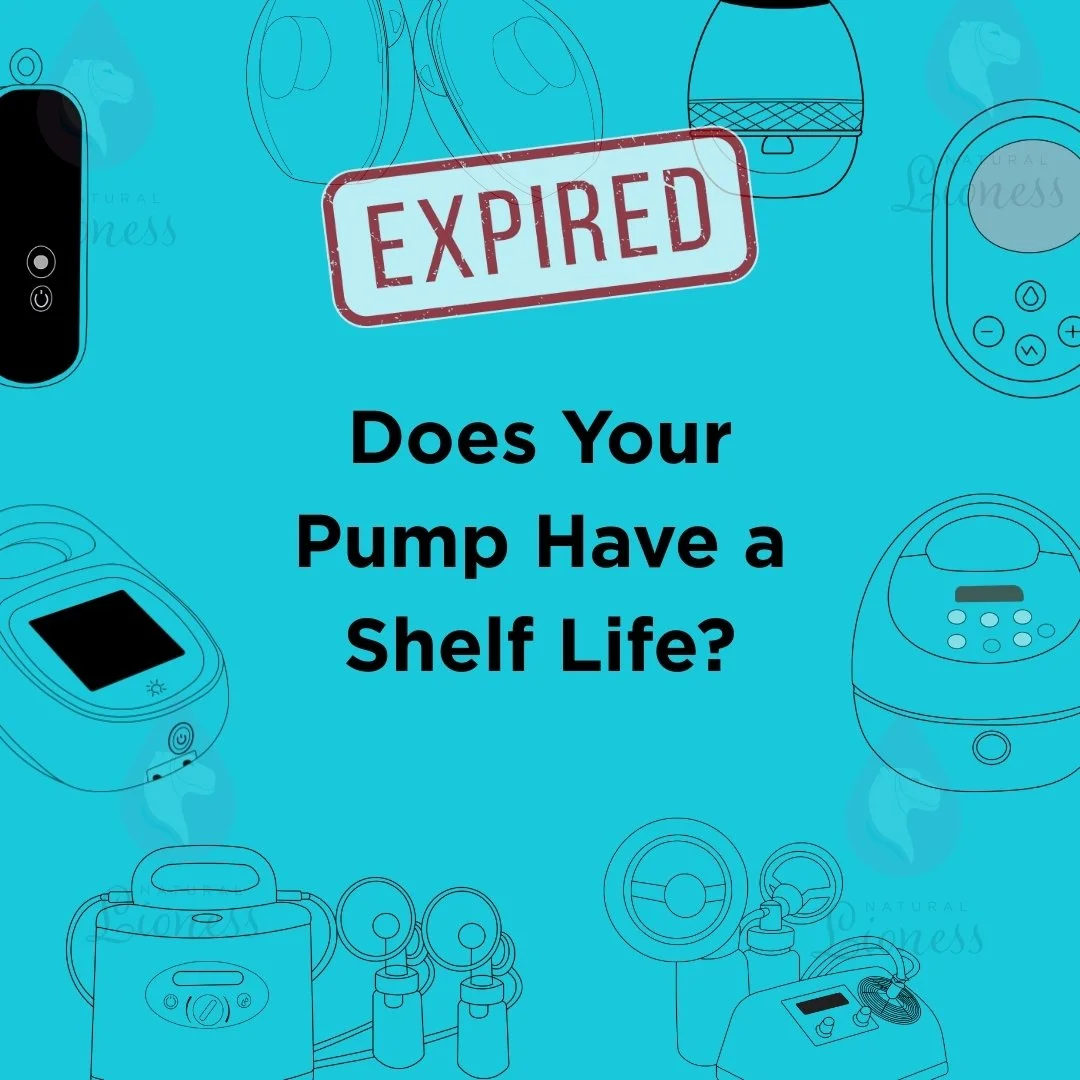
Can You Store Your Breast Pump for the Next Baby? What You Need to Know in 2026
Storing a breast pump for future use is absolutely possible with the right conditions and the right pump. However, there are several factors that need to be evaluated honestly before you box something up and assume it'll be ready to go in one or two years.
Beyond the Minimum: Why 240 Minutes of Breast Stimulation Matters for Long-Term Milk Supply
Most pumping schedules fail after 12-16 weeks. Discover why frequency alone isn't enough and how proper pumping duration (240 min/day) protects your milk supply. Evidence-based guidance from a pumping specialized IBCLC.
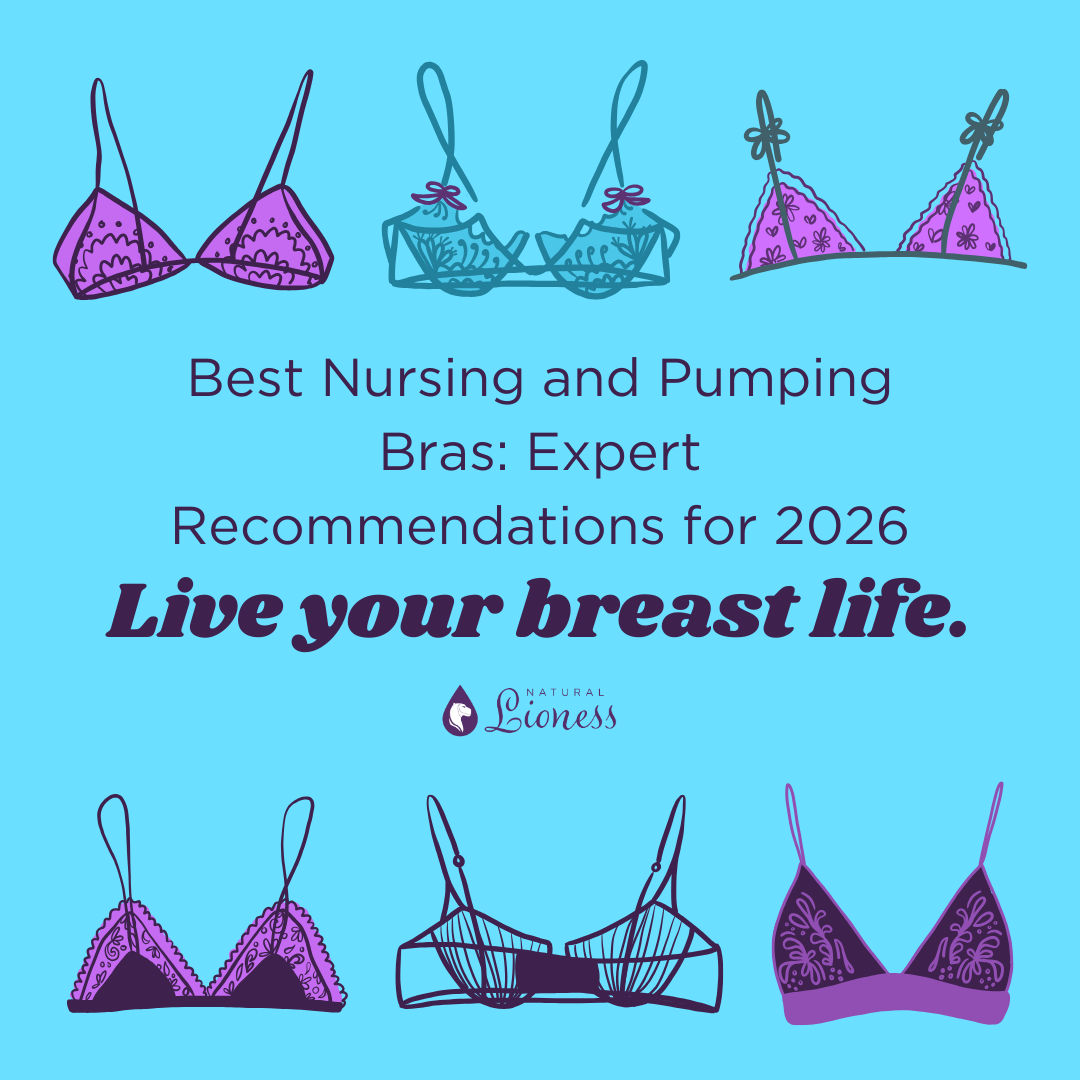
Top Wearable Pumping Bras of 2026
The right nursing and pumping bra brand depends on your specific needs, body type, and lifestyle. Use these reviews as a starting point, verify your measurements, and remember that investing in quality bras that actually work makes your nursing and pumping journey significantly more successful. Poor bra fit can cause clogs, inability to empty the breasts, nipple damage, and pumping failures. So make sure you have the right equipment to support you!

Feeding Yourself While Feeding Your Baby: Real Talk to Breastfeeding Nutrition
Your body is doing something pretty amazing right now; producing perfectly customized nutrition for your baby every single day. That takes real energy and resources from your body. The good news is your body is incredibly good at making milk, even when conditions aren't perfect. Your milk quality stays pretty stable whether you're eating kale salads or leftover pizza. BUT while your body will prioritize making milk for your baby, YOU might end up feeling exhausted and depleted if you're not getting what you need. HOW YOU FEEL MATTERS TOO.

Eufy S1 Pro Wearable Breast Pump Review: Everything You Need to Know
This is probably my most excited review ever. Other pump companies need to learn from Eufy. The engineers at Eufy did an amazing job. They're showing everyone how to make a really good pump.
I hope Eufy's success makes other companies (like Medela, Spectra, and Willow) step up their game. Moms deserve better pumps.
To Eufy: Please keep making great products!
To other companies: Pay attention. Eufy is showing you how it's done.

Willow Go Review: Pros, Cons & Real Performance
Until multiple companies step up and provide something better, I'll keep recommending the Willow Go. It's a solid pump, especially for Spectra-loving moms. Remember: Never use the Willow Go without that warranty. Despite the huge flaws, the Willow Go has winning qualities: prime cycle speeds and suction, very quiet operation, smart features for discreet pumping, large capacity (5-7 ounces), and true wireless design. It's still an investment on the pricey side, but it can absolutely work for you if you know how to optimize it.

How to Relieve Breast Engorgement Fast
Breast engorgement happens when your breasts become overly full of milk and fluids. This occurs when your body makes more milk than is being removed through feeding or pumping. It's most common when your milk first "comes in" around 3-5 days after birth, but can happen anytime during breastfeeding.

Colostrum: Your Baby's Perfect First Food
Common Colostrum Myths
"I'm not making enough—I only see drops"
"My colostrum looks wrong (too thin/thick/wrong color)"
"Baby seems hungry—I should supplement"

Milk Letdown Signs & Techniques: Maximize Your Breastfeeding Success
Understanding and optimizing your milk ejection reflex isn't just about increasing your pumping output—it's about unlocking your body's full potential to nourish your baby. Remember, every mother's letdown pattern is as unique as her fingerprint—what matters is discovering and optimizing YOUR individual rhythm. Don't let another pumping session leave you feeling defeated or another nursing session leave you wondering if your baby got enough milk. The strategies in this blog can start working for you immediately!

Maximizing Milk Removal: Why Multiple Letdowns Matter
Achieving multiple milk ejections (letdowns) during breastfeeding or pumping sessions is crucial for optimal milk removal, better milk supply maintenance, and accessing the full spectrum of breast milk. Most mothers naturally experience 2-3 letdowns per session, and understanding how to facilitate these can significantly improve pumping efficiency and overall lactation success.

The Complete Guide to Extended Breastfeeding: What Science Really Says
Breast milk doesn't have an expiration date. Your body doesn't suddenly start producing inferior milk on your baby's first birthday (or insert any age claimed).
The fanny pack life: Wall pumps are not going anywhere.
Why would I bother with a fanny pack if I have a wearable? Great question! Wearables (all pumps really) on the market continuously drop in quality, and all have a set failure rate. This leaves you in a frustrating situation while waiting for a replacement or, in some cases, having to scramble to buy a whole new pump. This leaves them hooked up to either their portable pump or a wall pump, depending on their needs. Wouldn't it be great to have the best of both worlds: the convenience of a wearable and the efficiency of a wall pump?

Breastfeeding and Your Period: How to Maintain Milk Supply When Menstruation Returns
Most parents find that with appropriate support strategies, their milk supply stabilizes and they can continue breastfeeding successfully throughout their menstrual cycles. The key is understanding what's happening in your body and having a toolkit of strategies ready to support your goals.

Mastering the Perfect Latch: A Guide for Successful Breast and Bottle Feeding
Achieving a successful latch—whether at the breast or with a bottle—requires patience, practice, and sometimes professional support. Remember that both you and your baby are learning together. By recognizing early feeding cues, finding comfortable positions, engaging natural reflexes, and supporting baby-led feeding, you create the optimal conditions for latching success that benefits both of you. The time invested in learning proper feeding techniques yields returns far beyond efficient nutrition—it establishes the foundation for physical comfort, emotional wellbeing, and a positive feeding relationship that will serve both you and your baby throughout your feeding journey.
Best Bottles & Nipples for Babies in 2026: A Complete Guide for Breastfeeding Families
When introducing bottles to your breastfed baby, selecting the right nipple shape can make all the difference between successful feeds and frustrating struggles. As a lactation consultant with specialized training in oral function and bottle feeding, I've learned that nipple design significantly impacts how well babies transfer milk as well as their ability to bounce between breast and bottle. This comprehensive guide will help you navigate the confusing world of bottle nipples to find the perfect match for your little one.

Bottle Feeding Your Baby: A Comprehensive Guide to Safe Practices and Best Nipples
When it comes to nourishing your little one, bottle feeding requires thoughtful consideration beyond simply filling a bottle with breastmilk. As a lactation consultant working with many families and having completed specialized education in oral function and bottle feeding techniques, I've observed patterns that lead to successful feeding relationships. This guide explores evidence-based practices to help you navigate bottle feeding with confidence.

Perifit Pump Unboxing and First Impressions: What You Need to Know
The Perifit (Simone) Pump makes a solid first impression with its quiet operation and smart features. I love that they’ve put thought into flange sizes and sterilization guidance, but the large size, heavy weight, and high cost of replacement parts are factors to consider.